

Contents:
- Why International Snacks Matter More Than People Realize
- The Historical Arc, From Niche to Mainstream
- Basics for Beginners: Where to Start
- Starting Point 1: Familiar Flavor Profiles
- Starting Point 2: Format Over Flavor
- Building Your First Snack Sampler
- Intermediate Level: Understanding Regional Snack Logic
- East Asia: Umami and Texture Layering
- Latin America: Sour, Spicy, and Sweet Together
- Europe: Precision and Tradition
- The Middle East and Mediterranean: Nuts, Dried Fruit, and Spice
- Advanced Nuances: What Separates Casual Shoppers From Serious Enthusiasts
- Regional Variation Within a Single Country
- Reading Import Labels Correctly
- Seasonal and Limited Releases
- Understanding Shelf Life and Storage Differences
- Common Mistakes to Avoid
- Mistake 1: Buying Based on Packaging Alone
- Mistake 2: Assuming “Spicy” Means the Same Thing Everywhere
- Mistake 3: Overbuying Before Knowing Your Preferences
- Mistake 4: Ignoring Production Dates on Imported Goods
- How Rudcafood Fits Into This Whole Picture
- Frequently Asked Questions
- What is the most popular international snack category in the US right now?
- How can I tell if an international snack is genuinely imported?
- Are international snacks generally more expensive than domestic ones?
- Do imported snacks expire faster than American snacks?
- Where can I buy authentic international snacks online?
In the early 1970s, a small Japanese snack company started selling shrimp-flavored crackers that seemed, at the time, far too strange to ever cross the Pacific. Fifty years later, shrimp chips sit on shelves in mainstream American grocery stores next to jalapeño chips and barbecue popcorn, and almost nobody blinks. That’s the quiet story behind most “exotic” snacks: they were never exotic to the people who grew up eating them, and it took decades of trade, immigration, and curiosity for American shoppers to catch up.
Why International Snacks Matter More Than People Realize
Snacking isn’t a trivial category of food. It’s one of the most culturally revealing parts of any country’s cuisine, because snacks are what people eat casually, habitually, without ceremony. A nation’s snack aisle tells you what flavors its population actually craves day to day, not just what they cook for special occasions. That’s part of why international snacks have become such a fast-growing category in US grocery shopping: they offer a low-commitment, low-cost way to sample a food culture without booking a flight or committing to a full meal.
The Historical Arc, From Niche to Mainstream
Go back to the 1980s and international snacks in the US were confined almost entirely to dedicated ethnic grocery stores in major cities. A family wanting British digestive biscuits, Filipino polvoron, or Mexican chili-lime peanuts had to know exactly which neighborhood store carried them, often driving well out of their way. The 1990s and 2000s saw slow mainstream adoption, mostly through a handful of “international aisle” sections in bigger supermarket chains, usually limited to the most commercially safe products. It wasn’t until online grocery delivery matured in the 2010s and accelerated further after 2020 that real access opened up. By 2026, a shopper in rural Montana has the same access to authentic Japanese, Mexican, or Eastern European snacks as someone living three blocks from a specialty store in Brooklyn, provided they know where to look online.
Basics for Beginners: Where to Start
If you’re new to exploring international snacks, don’t start by buying twenty random items from twenty different countries. That approach almost always leads to a pantry full of half-eaten bags and a vague sense that “it wasn’t for me,” when really the problem was lack of context, not lack of quality. Instead, start with a country whose main cuisine you already enjoy, since snack flavors typically echo the broader food culture.
Starting Point 1: Familiar Flavor Profiles
If you already like Mexican food, start with chili-lime flavored snacks, spicy peanuts, or tamarind candy, since these flavors will feel like a natural extension of dishes you already know. If Japanese food appeals to you, rice crackers (senbei), wasabi peas, and matcha-flavored sweets are a gentler entry point than something more unusual like natto-flavored chips. Building from familiarity rather than novelty keeps the experience enjoyable rather than overwhelming.
Starting Point 2: Format Over Flavor
Another beginner-friendly approach is sticking to familiar formats, chips, crackers, and cookies, while varying the country of origin. A shopper comfortable with potato chips can easily branch into UK-style prawn cocktail chips or Korean seaweed chips without much of a learning curve, since the format itself (crunchy, salty, snackable) is already familiar. This is generally an easier entry point than jumping straight into unfamiliar formats like Filipino polvoron (a crumbly milk candy) or Turkish delight, which require adjusting expectations about texture as well as flavor.
Building Your First Snack Sampler
A reasonable first order might include: one bag of chips from a country you’re curious about, one box of cookies or wafers, one bag of a candy-format snack, and one savory cracker or nut mix. That’s four items, roughly $20-30 total, enough variety to figure out what genuinely appeals to you without overcommitting financially or building up a pantry of unopened bags. Rudcafood’s Snack Food International section is organized by country and by snack type, which makes assembling a sampler like this considerably faster than hunting through a generic “world foods” search.
Intermediate Level: Understanding Regional Snack Logic
Once you’ve sampled a handful of countries’ snacks and have a sense of what you enjoy, it’s worth understanding why certain flavors dominate certain regions. This isn’t just trivia, it actually helps you predict what you’ll like before you buy it.
East Asia: Umami and Texture Layering
Japanese, Korean, and Chinese snacks lean heavily on umami-forward flavors, seaweed, soy, dried fish, and fermented elements, often layered with multiple textures in a single bite. A Japanese rice cracker might combine a crunchy exterior with a slightly chewy center, a deliberate textural contrast that’s less common in Western snack design. Korean snacks frequently incorporate sweet-and-spicy combinations (think honey butter chips or spicy Buldak-flavored crackers), a profile that’s grown significantly in US popularity over the past several years thanks to social media food trends.
Latin America: Sour, Spicy, and Sweet Together
Mexican and broader Latin American snacks frequently combine three flavor dimensions in a single product, sour (often from tamarind or lime), spicy (chili powder or hot sauce coatings), and sweet (from the base candy or fruit). This combination, which can seem unusual to a first-time American taster, reflects a long-standing regional preference for complex, multi-layered flavor rather than a single dominant note. Products like chili-lime mango or tamarind candy with chili powder coating exemplify this approach.
Europe: Precision and Tradition
European snacks, particularly from Germany, Belgium, and the UK, tend to prioritize consistency and craftsmanship over bold flavor experimentation. A British digestive biscuit or a German pretzel stick follows a recipe that’s changed minimally over decades, valued precisely because it doesn’t surprise you. This is a different value proposition than East Asian or Latin American snacks, less about novelty, more about dependable quality and nostalgia.
The Middle East and Mediterranean: Nuts, Dried Fruit, and Spice
Snacking traditions across the Middle East and Mediterranean region lean toward nuts (often spiced or roasted with distinctive seasoning blends), dried fruits, and sesame-based sweets like halva. These snacks tend to be less processed than Western equivalents, often closer to whole-food ingredients with minimal added sugar or salt, which appeals to health-conscious shoppers exploring the category for the first time.
Advanced Nuances: What Separates Casual Shoppers From Serious Enthusiasts
Once you’re genuinely into this category, a few more advanced distinctions start to matter, the kind of details that separate someone casually trying snacks from someone building real expertise.
Regional Variation Within a Single Country
Just as American snack preferences vary by region, so do international ones. In Japan, Kit Kat flavors vary significantly by prefecture, with certain matcha or sake-flavored variants only available in specific regions and functioning almost like edible souvenirs. In Mexico, the specific chili blend used in spicy snacks can vary meaningfully between northern and southern states, with northern versions often milder and more vinegar-forward, southern versions leaning into more complex chili varieties. Recognizing this level of regional nuance, rather than treating “Japanese snacks” or “Mexican snacks” as a single monolithic category, is a genuine marker of expertise in this space.
Reading Import Labels Correctly
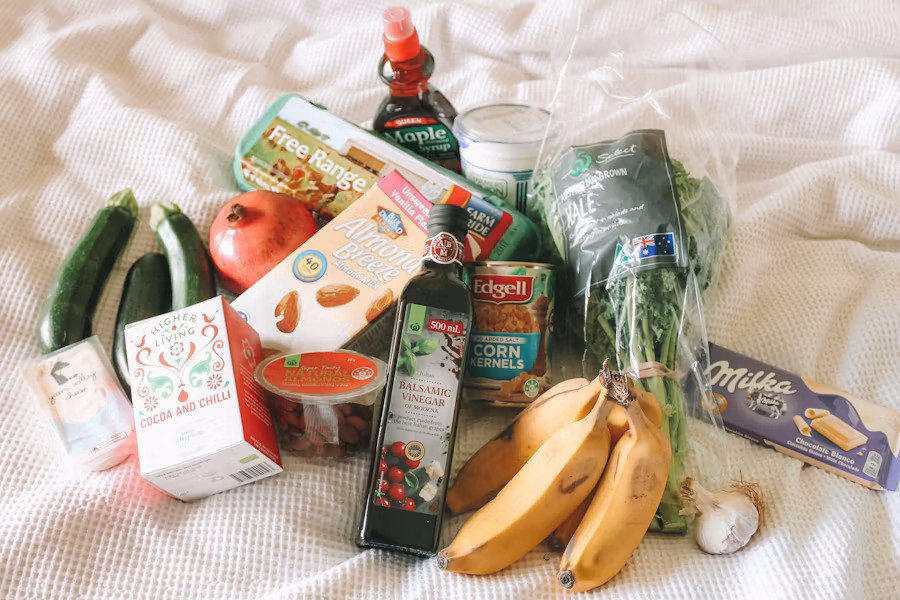
Serious snack enthusiasts learn to distinguish between a product that’s genuinely imported and one that’s a domestically manufactured approximation using an international name or flavor profile. Genuine imports will list a country of origin outside the US, often with the original language alongside an English translation sticker. Domestically produced “international-style” snacks, while sometimes decent, use different manufacturing processes and ingredient sourcing that changes the final product meaningfully. This is the same distinction that matters in the candy aisle, and it applies just as strongly to chips, crackers, and cookies.
Seasonal and Limited Releases
Many countries, Japan especially, treat snack flavors as seasonal or limited-time releases tied to cultural moments, cherry blossom season, a regional festival, or a collaboration with a popular media franchise. Advanced enthusiasts track these releases and understand that a specific flavor might only be available for a few months before disappearing, sometimes permanently. This is very different from the American snack market, where flagship flavors tend to stay in permanent rotation for years or decades.
Understanding Shelf Life and Storage Differences
Imported snacks don’t always follow the same preservative standards as domestic ones, which affects both shelf life and storage recommendations. A product made without artificial preservatives (common in many European and some Asian snacks due to stricter regulations) may have a noticeably shorter shelf life than its American equivalent, sometimes just 3-4 months instead of a year or more. Understanding this prevents the common mistake of buying in bulk assuming a long shelf life that isn’t actually there.
Common Mistakes to Avoid
New shoppers in this category make a handful of predictable errors, almost all avoidable with a little context.
Mistake 1: Buying Based on Packaging Alone
Flashy or unusual packaging doesn’t reliably indicate flavor quality or authenticity. Some of the most beloved traditional snacks in their country of origin have plain, unremarkable packaging, while some flashy imports are actually mass-market products with limited cultural significance in their home country. Reading a bit about a product before buying, rather than judging purely by how interesting the bag looks, leads to better outcomes.
Mistake 2: Assuming “Spicy” Means the Same Thing Everywhere
Spice tolerance and spice profile vary enormously by region, and “spicy” on a Korean snack label doesn’t taste like “spicy” on a Mexican one, or a Southeast Asian one. Buldak-style Korean spicy ramen chips deliver heat with a sweet, garlicky undertone, while a Mexican chili-lime snack delivers heat with sour and tangy notes layered in. Assuming these will taste similar because both are labeled “hot” leads to real surprises, not always pleasant ones.
Mistake 3: Overbuying Before Knowing Your Preferences
The most expensive mistake beginners make is placing one large order covering ten or fifteen different snacks from countries they’ve never tried, based purely on curiosity, and ending up with a pantry full of items they don’t actually enjoy. Starting small, with four or five items, and expanding gradually based on what you genuinely liked is a far more cost-effective approach, even if it feels slower.
Mistake 4: Ignoring Production Dates on Imported Goods
As mentioned earlier, this is worth repeating as a specific mistake category: buyers who only check “best by” dates without considering how long shipping and warehousing likely took often end up with snacks that are technically within date but well past their flavor peak, particularly for items with natural, preservative-free ingredients.
How Rudcafood Fits Into This Whole Picture
Rudcafood built its Snack Food International selection specifically around the problems outlined above, organizing products by country and snack type so shoppers aren’t stuck guessing whether a listing is a genuine import or a domestic approximation, and keeping inventory turnover high enough that production dates stay reasonably recent. For a beginner assembling that first four-item sampler, or an advanced enthusiast tracking a specific seasonal Japanese release, having a single reliable source cuts out a lot of the guesswork that comes with piecing together orders from multiple smaller sellers. That reliability is exactly why this category, once a niche interest limited to specific city neighborhoods, now works just as well for a shopper in a small town with no international grocery store anywhere nearby.
Frequently Asked Questions
What is the most popular international snack category in the US right now?
Korean spicy snacks, particularly Buldak-flavored products, and Japanese rice crackers rank among the fastest-growing categories, driven heavily by social media exposure over the past several years.
How can I tell if an international snack is genuinely imported?
Check the country of origin listed on the packaging; genuine imports will show a country other than the US, often alongside original-language text and an added English translation sticker.
Are international snacks generally more expensive than domestic ones?
Yes, typically by 20-40%, reflecting import costs, smaller production runs, and shipping, though the price gap has narrowed as online specialty retailers have scaled up their sourcing.
Do imported snacks expire faster than American snacks?
Often, yes, particularly those made without artificial preservatives, which is common in many European and Asian products due to stricter regulations on additives.
Where can I buy authentic international snacks online?
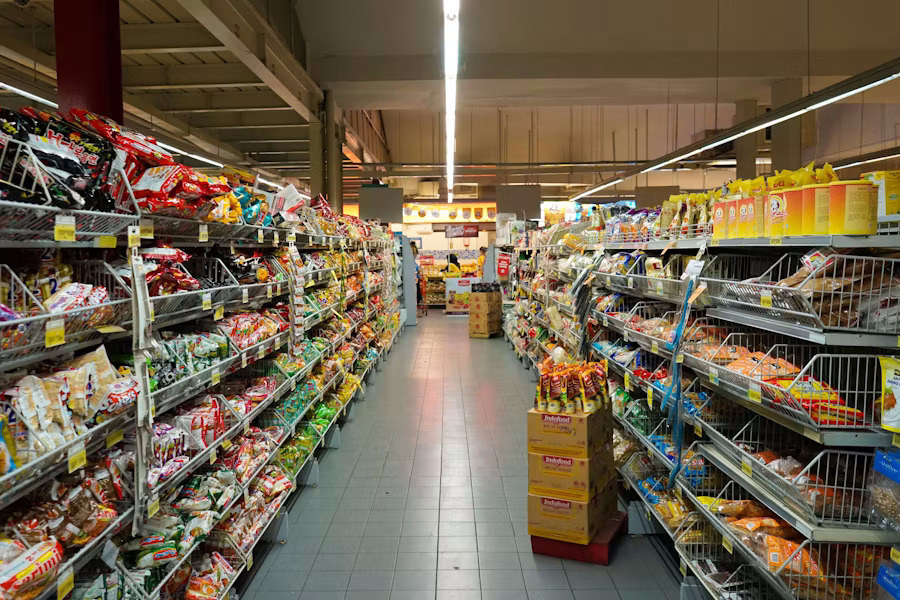
Rudcafood offers a wide, country-organized selection of authentic imported snacks, making it a reliable starting point whether you’re a first-time buyer or a longtime enthusiast.
The shift from “exotic curiosity” to “everyday favorite” didn’t happen overnight, and it didn’t happen by accident. It took decades of immigration, trade, and eventually online access to bring the world’s snack cabinets within reach of anyone with an internet connection. Starting small, paying attention to what you actually enjoy, and buying from a source that takes sourcing details seriously will get you further, faster, than any amount of random experimentation ever could.